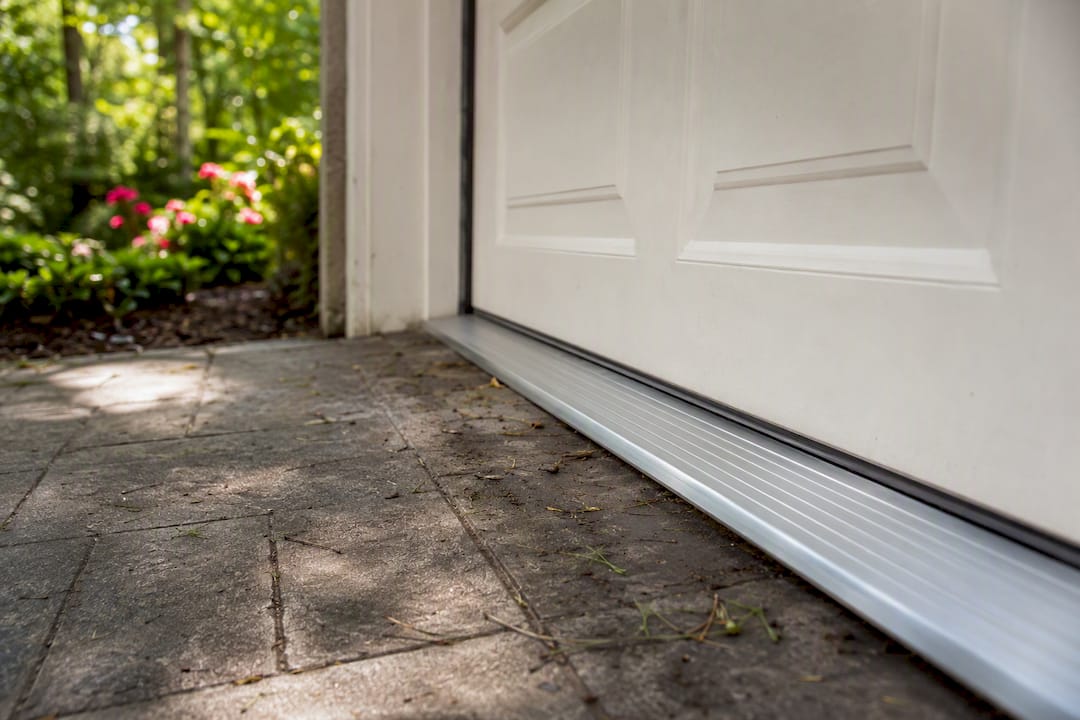
What Is a Door Bottom Threshold and Why It Matters
A door bottom threshold is the visible, replaceable strip that runs across the bottom of an exterior door opening, closing the gap between your floor and the door itself. It seals out drafts, water, dust, and insects while giving you a durable surface to walk over. Homeowners run into this piece constantly, whether they’re fixing a drafty back door or prepping for a home inspection.
Here’s what it actually does for your house:
- Seals the elements out — blocks wind-driven rain, cold air, and bugs from sneaking under the door
- Protects the sill — takes the wear and weather damage so the structural wood underneath doesn’t have to
- Creates a safe transition — gives you a level, walkable surface between indoor and outdoor flooring, which matters if you’re checking accessibility compliance
Key Takeaways
A door bottom threshold seals the gap under an exterior door against water, drafts, and pests, and it only works correctly when its slope, profile, and seal match the door’s exposure and accessibility requirements.
| Point | Details |
|---|---|
| Threshold vs. sill | The threshold is a replaceable cap; the sill is structural and only a pro should address rot there. |
| Match the type to the risk | Interlock and thermal-break profiles suit heavy rain and cold climates; saddle profiles suit low-exposure doors. |
| Slope prevents rot | A threshold installed without proper slope traps water against the sill and subfloor over time. |
| Check twice a year | Inspect gaps, seals, fasteners, and weep channels each spring and fall to catch problems early. |
| ADA and fire codes apply | Threshold rise is capped at 1/2 inch, and fire-rated doors need listed-assembly thresholds. |
| Call a pro for structural signs | Mikes garage doors Loveland colorado handles inspection, replacement, and warranty-backed repair when rot or fire-rated assemblies are involved. |
Table of Contents
- How a Threshold Works With the Rest of Your Door
- Threshold vs. Sill: Know the Difference Before You Buy Parts
- Threshold Types and Materials: Matching the Part to the Problem
- Threshold or Door Sweep: Which One Fixes Your Draft?
- Signs Your Threshold Is Failing (And What to Do About It)
- Your DIY Threshold Inspection and Maintenance Checklist
- Standards and Accessibility Rules You Can’t Ignore
- Sources
- FAQ
How a Threshold Works With the Rest of Your Door
A threshold isn’t just a strip of metal or vinyl sitting there for looks. It’s doing mechanical work every time wind pushes rain against your door or cold air tries to creep in around the edges. The threshold acts as your first line of defense against weather, and when it’s paired with a good door bottom seal, it dramatically cuts down air leakage. Testing standards like ASTM E283 measure exactly this kind of air infiltration, and a worn threshold is often the hidden reason a door that “closes fine” still lets in a cold draft every winter.
Beyond weatherproofing, the threshold physically shields the sill and the edge of your flooring from foot traffic and moisture damage. That’s a big deal, because sills are expensive and disruptive to replace.
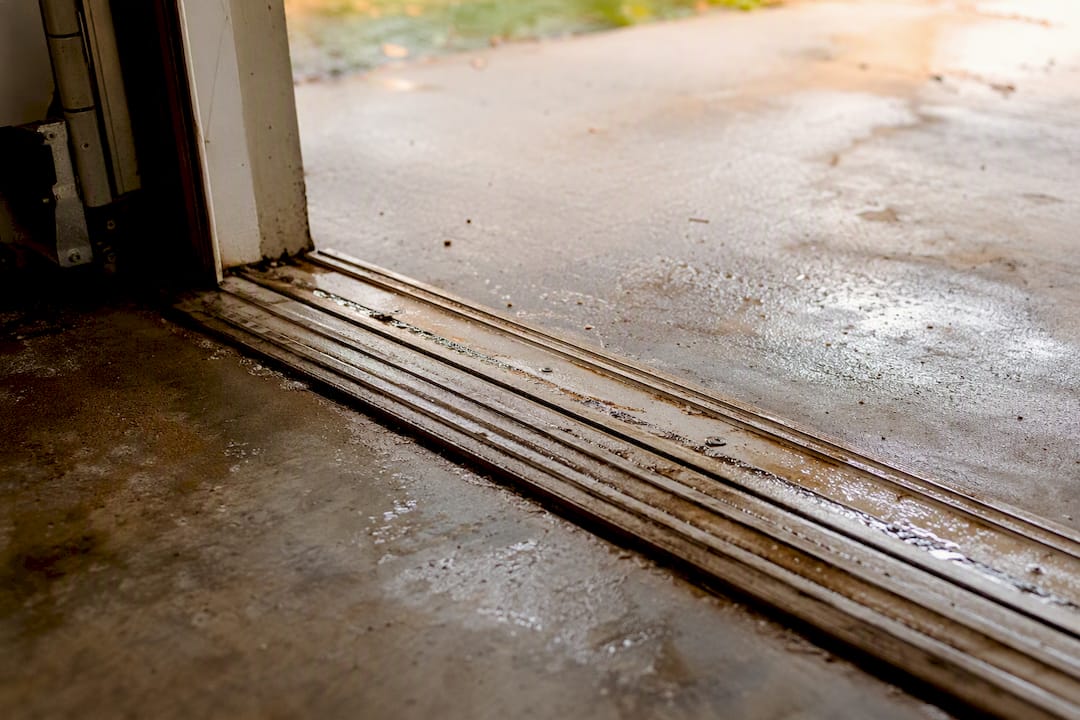
Slope matters more than most people realize. A threshold is designed with a slight pitch and small weep channels that carry water away from your house instead of letting it pool. Install one backward, or let debris clog those weep channels, and you’ve basically built a small dam that funnels water straight toward your sill and subfloor.
Threshold vs. Sill: Know the Difference Before You Buy Parts
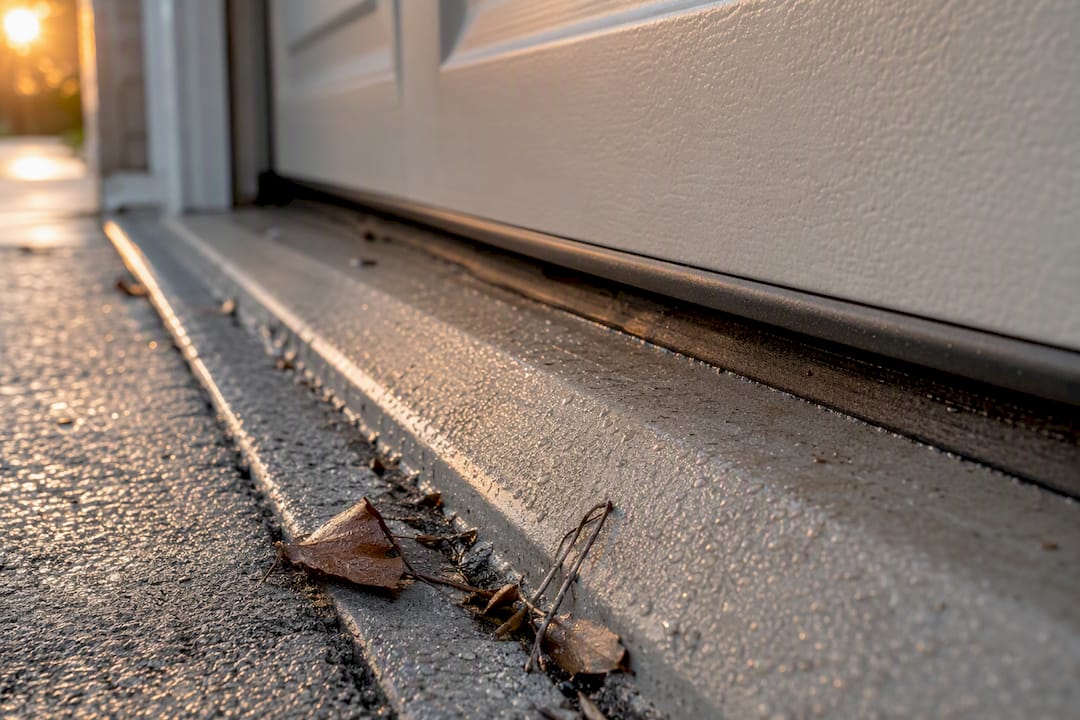
These two terms get mixed up constantly, and it costs homeowners money when they order the wrong part. The sill is the structural bottom member of your door frame, the piece resting on your foundation that holds the whole assembly together. The threshold is the finished cap fastened on top of it, and it’s designed to be replaced without disturbing that structural frame.
That distinction changes your whole approach to a repair:
- A worn, cracked, or leaking threshold is usually a straightforward swap you can handle yourself
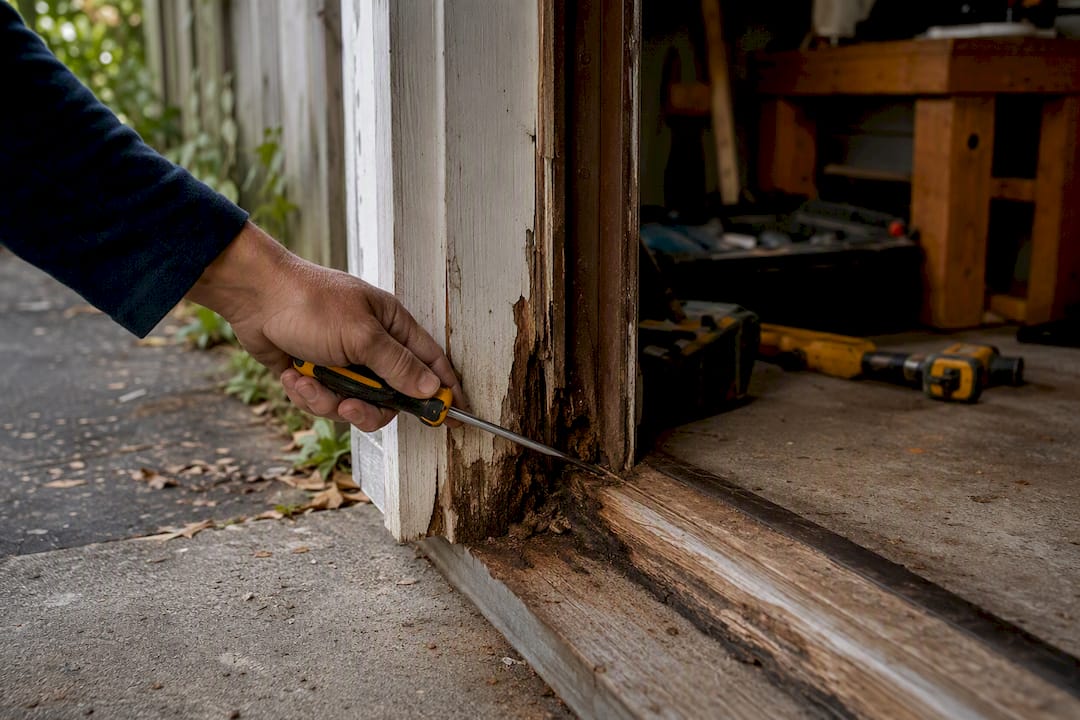
- A soft, rotted, or crumbling sill means water has already gotten past the threshold and into structural wood, and that’s a job for a professional
- Before ordering a replacement, measure overall length, the top profile shape, both interior and exterior heights, and fastener spacing
Pro Tip: Photograph the threshold from directly above and snap a second shot of the door bottom edge. Matching an aftermarket part to the exact profile is nearly impossible from memory alone.
Threshold Types and Materials: Matching the Part to the Problem
Not every exterior door needs the same threshold, and picking the wrong profile for your climate or traffic level is one of the most common mistakes homeowners make. Common exterior threshold types address very different problems, so it pays to know which is which before you buy.
- Saddle threshold — The basic, low-profile option for doors with minimal weather exposure, like an interior-to-garage transition or a covered porch entry.
- Bumper threshold — Adds a raised rubber or vinyl gasket that the door presses against for a tighter seal, good for moderate draft control.
- Adjustable threshold — Lets you raise or lower the sealing height with a screwdriver, useful when a door has settled slightly or flooring height changed.
- Thermal-break threshold — Splits the metal with a non-conductive insulator down the middle, stopping cold from transferring straight through the aluminum. Worth it in harsh winter climates.
- Interlock threshold — Uses a mating groove that captures a specialized door bottom seal for serious weather resistance, recommended where water intrusion is a real risk, such as a door facing prevailing wind and rain.
- ADA/ramp threshold — A beveled, low-rise profile built to meet accessibility rules for wheelchairs and walkers.
On materials, aluminum without a thermal break is affordable and tough but conducts cold straight into your entryway. Aluminum with a thermal break costs more but earns it back in comfort during a Colorado winter. Bronze and brass hold up beautifully on historic or high-end doors but come at a premium. Composite and fiberglass resist rot entirely, which makes them a smart call anywhere moisture is a constant fight. Match the pick to your climate, your traffic level, and whether accessibility is a factor, and you’ll avoid buying the wrong part twice.
Threshold or Door Sweep: Which One Fixes Your Draft?
A door sweep, sometimes called an automatic door bottom, is a strip of bristles or vinyl attached to the bottom edge of the door itself, not the frame. It closes the small gap between the door and the threshold as the door swings shut. The threshold handles the floor-level seal; the sweep handles the door-to-threshold seal. Most exterior doors need both working together.
Here’s how to match the fix to the actual problem:
- Small gap, minor draft, no water history: a new door sweep alone often solves it
- Visible daylight under the door or a whistling draft: check the sweep first since it’s the cheaper, faster fix
- Heavy rain exposure, wide gaps, or a door that’s flooded before: you need an interlock threshold paired with a matching seal, not just a sweep
- Old rubber sweep that’s cracked or flattened: replace it before assuming the whole threshold has failed
Signs Your Threshold Is Failing (And What to Do About It)
Catching threshold failure early saves you from a much bigger repair bill later. Watch for these signs:
- Soft or discolored wood at the sill — a strong indicator water has been getting past the threshold seal for a while
- Flattened or cracked gasket material — the rubber bumper or sweep has lost its shape and can’t seal anymore
- Water intrusion after storms — puddling or staining just inside the door means the slope or weep channels aren’t doing their job
- Loose or rusted fasteners — screws that spin freely or show heavy corrosion mean the threshold isn’t secured properly anymore
- Visible corrosion or pitting on metal thresholds — common in aluminum exposed to road salt or sprinklers
If the fix is just a worn gasket or sweep, that’s a same-day DIY swap. If the whole threshold is warped, cracked, or letting water through consistently, full replacement is the right call. But if you find soft or rotted wood underneath, stop there. That’s a structural sill problem, and pushing forward without addressing the rot underneath just means replacing the same threshold again in a year or two.
Pro Tip: Press a screwdriver tip gently into any discolored sill wood. If it sinks in easily, you’re looking at rot, not just surface staining, and it’s time to call a professional.
Your DIY Threshold Inspection and Maintenance Checklist
A few minutes twice a year keeps most threshold problems from ever becoming expensive ones. Here’s a simple routine:
- Measure the gap between the door bottom and threshold; anything over a quarter inch on one side suggests the door or threshold has shifted.
- Check the slope by setting a small level across the threshold; water should run outward, not toward your house.
- Inspect seals and fasteners for cracking, flattening, or loosening.
- Look for rot or staining at the sill edge and surrounding flooring.
- Clear weep channels of dirt, leaves, and debris so water can actually drain.
- Replace the sweep or gasket if it’s compressed or torn.
- Reseal with exterior-grade caulk anywhere the threshold meets the frame or flooring.
Manufacturers point to this kind of routine maintenance as the difference between a threshold lasting its full service life and one failing years early. Before buying a replacement, measure the full length, the profile height on both sides, and fastener spacing, then photograph it from above for reference.
Standards and Accessibility Rules You Can’t Ignore
Threshold choices aren’t purely cosmetic. Building and accessibility codes shape what’s legal to install, especially if you’re renovating a rental, commercial space, or a home preparing for aging-in-place needs.
| Standard | What It Governs |
|---|---|
| ANSI/BHMA A156.21 | Performance and profile requirements for thresholds and door bottoms |
| ADA Standards for Accessible Design | Threshold rise limited to a maximum of 1/2 inch on accessible routes |
| ADA beveling rule | Any rise over 1/4 inch must be beveled at a slope of 1:2 or shallower |
| — | Fire and smoke-rated openings require thresholds to be part of the listed assembly |
The ADA rise limits trip up more DIY renovators than any other rule on this list, since swapping a threshold without checking rise and bevel can quietly create a noncompliant entry. On fire-rated doors, using a non-listed threshold can void the door’s rating entirely.
Why routine threshold checks pay off
We see the same pattern over and over: a threshold that gets checked twice a year rarely turns into a sill replacement. It’s the ones nobody looks at that quietly rot from underneath. Pair a seasonal check with our preventive maintenance guidance, and call a pro the moment you find soft wood or a problem you can’t fully diagnose.
— Eddie
When It’s Time to Call in the Pros
Some threshold problems are a Saturday afternoon fix. Others, especially rot at the sill, unknown structural damage, or anything touching a fire-rated door assembly, need a trained eye before you make things worse. Mikes Garage Doors Loveland Colorado handles the kind of inspection and repair work that goes beyond a simple gasket swap, backed by warranty coverage and the same upfront, honest estimates the company is known for across Northern Colorado.
If your threshold inspection turns up soft wood, persistent leaks, or a door that just doesn’t seal right no matter what you try, that’s the point where a professional look pays for itself. For anyone weighing DIY against calling someone in, this breakdown of common door replacement pitfalls is worth a read before you commit to a full replacement solo. Check out the full lineup of garage door services in Loveland and get a straightforward, no-surprises quote over the phone.
Sources
- Door sill vs. threshold | Angi
- Understanding the importance of door thresholds | Tread-Ware blog
- Thresholds & door bottoms (ANSI A156.21) | US Made Supply
FAQ
What Is the Difference Between a Door Sill and a Threshold?
The sill is the structural bottom frame member resting on your foundation, while the threshold is the finished, replaceable strip fastened on top of it to seal the gap.
What Does a Threshold Look Like?
It’s a narrow strip, usually metal, wood, or composite, running the width of the doorway at floor level, often with a slight ridge or gasket where the door meets it.
Is a Door Threshold Necessary?
Yes. Without one, exterior doors let in drafts, water, dust, and insects, and the exposed sill wears out far faster.
What Is the Purpose of a Door Threshold?
It seals the gap between the door and floor, protects the sill from weather damage, and gives you a level, walkable transition between indoor and outdoor surfaces.
Can I Replace a Threshold Myself?
Yes, in most cases. Measure the length, height, and fastener spacing first, and stick to DIY unless you find rot or damage at the sill, which calls for a professional look.
Recommended
Need a hand with your door?
Talk to a real tech — most calls are diagnosed in under two minutes.


