Preventive Door Maintenance: A Homeowner’s Guide
Preventive door maintenance is defined as a scheduled program of inspections, cleaning, lubrication, and adjustments performed on door components before failures occur. The industry term for this practice is “planned preventive maintenance,” or PPM, and it applies directly to garage doors, entry doors, and commercial door assemblies. Done consistently, it extends door lifespan by approximately 10 years and saves homeowners and property managers $1,500 to $2,500 annually in emergency repair costs. Standards like NFPA 80 formalize these requirements for fire-rated assemblies, but the same logic applies to every door on your property.
What is preventive door maintenance and what does it include?
Preventive door care is built around four recurring tasks, each tied to a specific interval. Miss one cycle and the whole system starts to drift.
- Monthly: Clean door slabs and frames with mild soap and water. Remove dirt, grease, and debris from tracks and panels.
- Quarterly: Inspect and replace weatherstripping and perimeter seals. Damaged seals let in drafts, moisture, and pests.
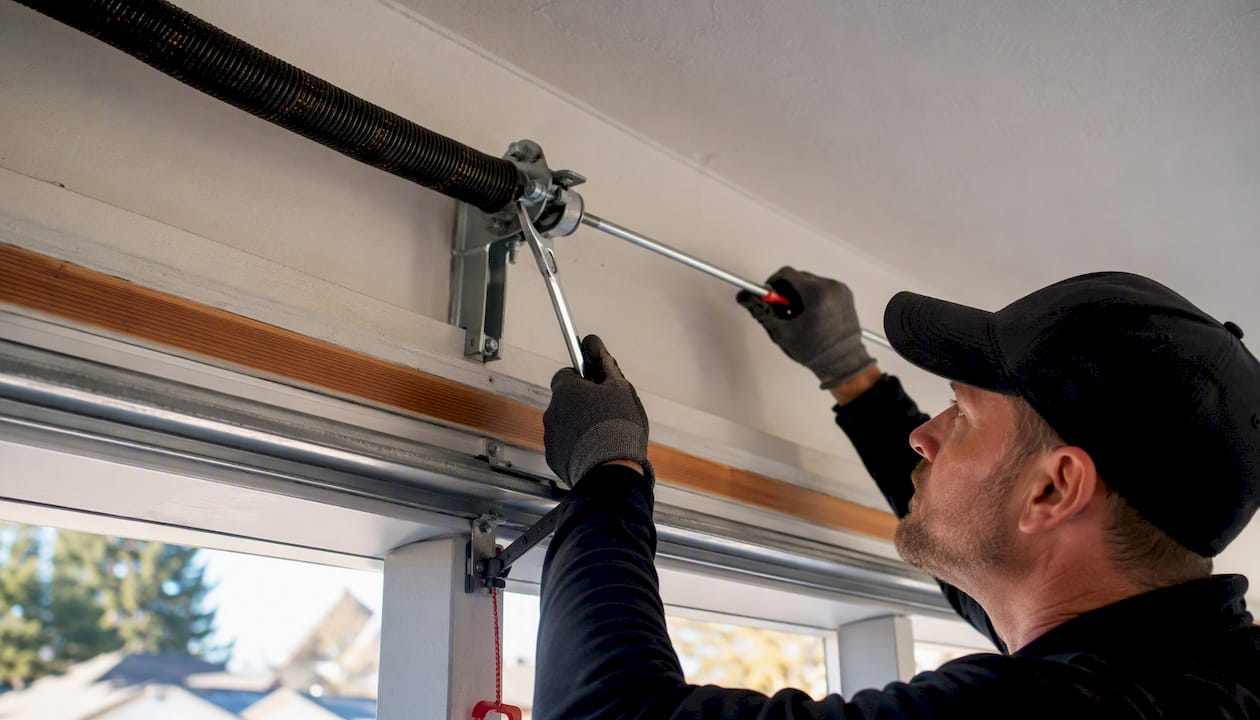
- Biannually: Lubricate hinges, rollers, and tracks using a silicone-based spray. Silicone is preferred because it does not attract dust or leave sticky residue.
- Annually: Test auto-reverse safety mechanisms, check hardware integrity, and inspect springs and cables for wear.
Each visit takes 30–60 minutes for a residential door. High-traffic commercial settings require shorter monthly checks of 2–3 minutes per door, plus a full annual inspection of 20–30 minutes per door for code compliance. That time investment is small compared to the cost of a broken torsion spring or a failed opener at the worst possible moment.
Pro Tip: Apply silicone spray to hinges and rollers in a thin, even coat, then wipe off the excess with a clean rag. A little goes a long way, and leftover product just collects grit.
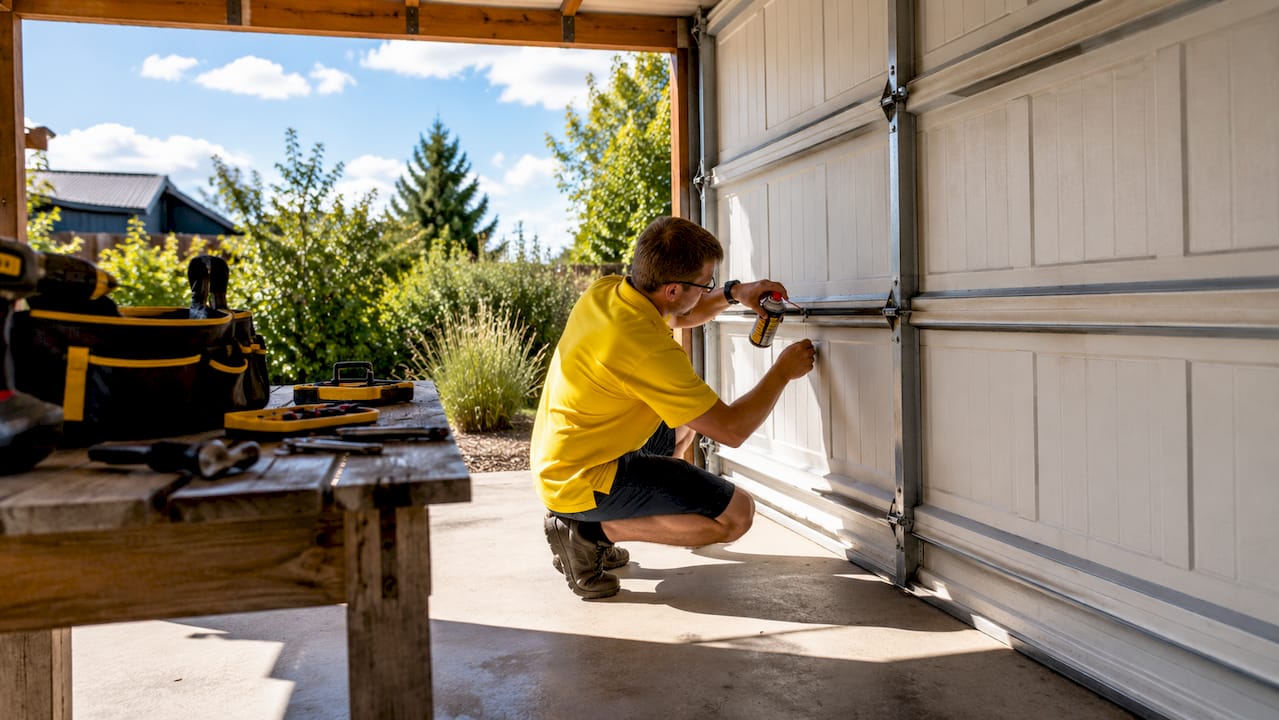
For homeowners who want to handle the basics themselves, a DIY garage door service guide walks through each step in plain language.
How does door maintenance vary by door type and environment?
A one-size-fits-all schedule does not work. Door type, usage frequency, and local climate all change what you need to do and how often you need to do it.
- Garage doors with torsion springs require biannual spring tension checks in addition to standard lubrication. Springs bear the full weight of the door on every cycle, and fatigue builds fast in high-use homes.
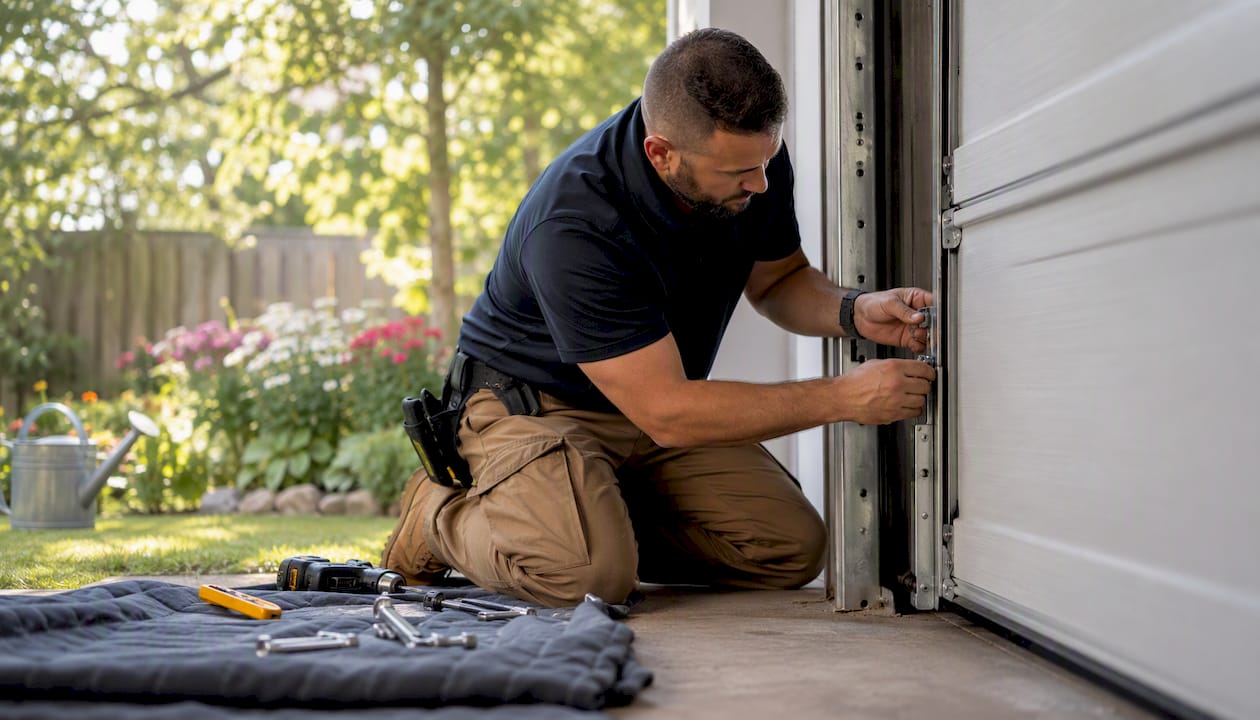
- Sliding and bifold doors need track alignment checks every quarter. Debris in the track causes the door to bind, which puts stress on the rollers and the motor.
- Pivot doors rely on top and bottom pivot hardware. Inspect pivot pins for wear every six months, and check the floor plate for shifting.
- Commercial doors in retail or warehouse settings cycle hundreds of times per day. Monthly inspections are the baseline, not the maximum.
Climate is the factor most homeowners overlook. Environmental conditions like UV exposure, humidity, and sand require tailored maintenance frequency that often exceeds standard schedules. In Northern Colorado, freeze-thaw cycles in winter stress weatherstripping and cause metal tracks to contract. In dusty conditions, track cleaning may need to increase to weekly during high-wind seasons to prevent roller and motor damage. Humidity accelerates rust on steel components, which means more frequent lubrication and a closer eye on hardware finish.
Two common mistakes show up regardless of door type. First, homeowners skip weatherstripping replacement because the door still closes. Worn seals are invisible from inside the garage but cost real money in heating and cooling loss. Second, property managers apply the same schedule to a lightly used storage door as they do to the main entry. Usage frequency should drive your schedule, not just the calendar.
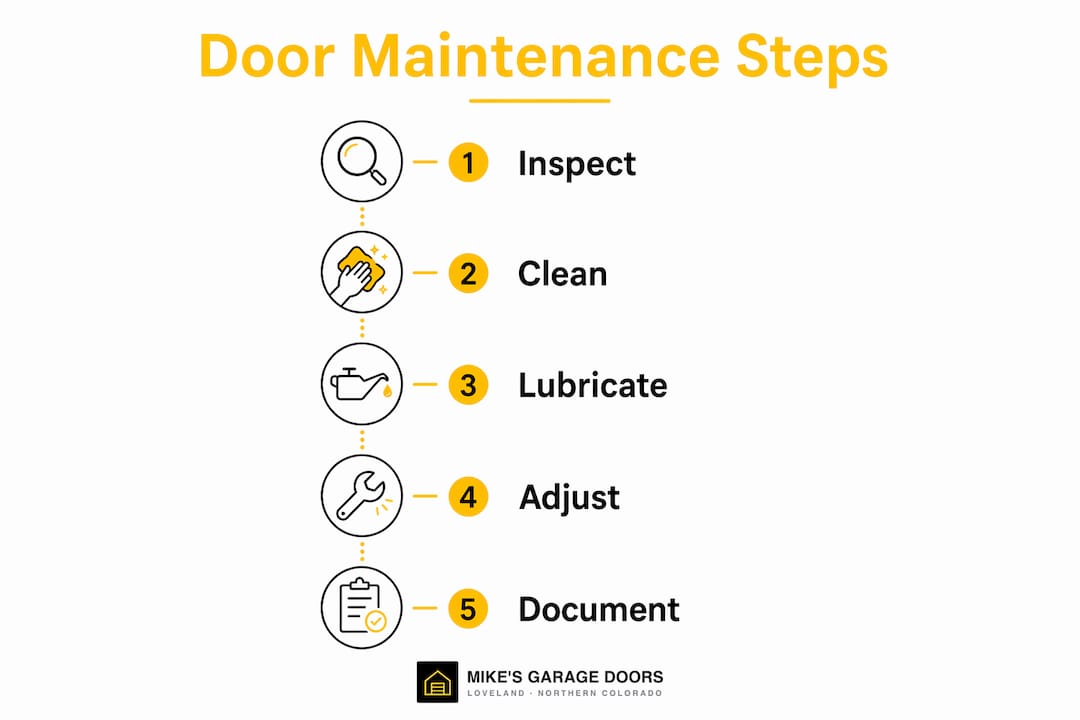
Maintenance schedules must adapt to environmental conditions to prevent premature failure. The right approach treats each door as its own system with its own variables.
Why does documentation matter in a maintenance program?
A maintenance log is not paperwork for its own sake. It is your proof of care, your troubleshooting record, and your compliance shield.
Detailed maintenance logs record dates, deficiencies found, repairs made, and technician names. That record supports insurance claims when damage occurs, resolves tenant disputes in rental properties, and demonstrates code compliance during inspections. For property managers overseeing multiple units, a log is the only reliable way to track which doors are due for service and which ones have a recurring problem.
Fire-rated and smoke-rated door assemblies carry a legal requirement on top of best practice. NFPA 80 requires annual inspections and documented testing of fire door assemblies. Failure to maintain that documentation can invalidate your insurance coverage and create serious liability. NFPA 105 extends similar requirements to smoke door assemblies.
“Maintaining a written log for each door, with dates, deficiencies, repairs, and technician names, is the best practice to ensure compliance, insurance support, and the ability to identify upgrade needs.” — Commercial Door Maintenance Standards
Your inspection log should cover these items at every visit:
- Door alignment and gap consistency around the frame
- Hardware function: hinges, rollers, springs, cables, and locks
- Seal and weatherstripping condition
- Safety system tests: auto-reverse, photo-eye sensors, and manual release
- Surface condition: rust, dents, cracks, or finish deterioration
Patterns in your log tell you when a component is reaching the end of its useful life before it fails. A hinge that needs tightening every three months is telling you it needs replacement, not another tightening. Logs catch that signal. Guesswork does not.
For homeowners who want to understand what safety codes apply to their door, garage door safety codes outlines the key requirements in plain terms.
What are the most common preventive maintenance mistakes?
Most door failures trace back to a short list of avoidable errors. Knowing them in advance keeps your door running and your repair bills low.
- Ignoring audible cues. Squeaks, grinding, and rattling are not normal. Small signs like squeaks or dragging are warnings that maintenance is overdue. Catching them early costs almost nothing. Ignoring them leads to broken hardware and full replacements.
- Using oil-based lubricants. WD-40 and similar petroleum products feel like the right tool, but they leave residue that attracts dust and grit. Excess lubricant acts as an adhesive for dust, accelerating wear on rollers and tracks. Use silicone spray only.
- Over-applying lubricant. More is not better. A thick coat of any lubricant collects debris and turns into a grinding paste inside the track. Apply thin layers and wipe off the excess every time.
- Skipping professional annual inspections. Basic DIY care handles cleaning and lubrication well. Spring tension, cable integrity, and opener motor diagnostics require a trained technician with the right tools.
- Treating all doors the same. A garage door that opens twice a day needs a different schedule than one that opens 50 times a day. Usage drives wear, and your schedule should reflect that.
Pro Tip: Walk your garage door through one full open-and-close cycle while watching and listening. Do this every month. Your eyes and ears catch problems faster than any checklist.
Homeowners often assume doors need no maintenance because they function as complex mechanical systems that show no obvious signs of wear until something breaks. That assumption is the most expensive mistake of all. Knowing the 9 signs your door needs repair helps you catch problems before they become emergencies.
Key Takeaways
Consistent preventive door maintenance extends door lifespan by up to 10 years and saves homeowners $1,500 to $2,500 annually in emergency repair costs.
| Point | Details |
|---|---|
| Define your schedule by usage | High-use doors need monthly checks; residential doors need quarterly inspections at minimum. |
| Use silicone-based lubricants only | Oil-based products attract grit and cause mechanical failure; apply silicone in thin layers. |
| Document every visit | Logs support insurance claims, compliance with NFPA 80, and early identification of failing hardware. |
| Adapt to your climate | Freeze-thaw cycles, humidity, and dust all require schedule adjustments beyond standard intervals. |
| Call a pro for complex work | Springs, cables, and opener diagnostics require a trained technician, not a DIY fix. |
What 15 years of door calls taught me about preventive care
The homeowners who call us in a panic almost always say the same thing: “It was fine yesterday.” It was not fine yesterday. The door was telling them something for weeks, maybe months, and the signal got ignored.
What I have seen in practice confirms what the numbers show. A door that gets consistent care, meaning real lubrication with the right product, working weatherstripping, and a technician looking at the springs once a year, lasts dramatically longer than one that gets attention only when it stops working. The cost difference is not marginal. It is the difference between a $50 service call and a $600 spring replacement, or worse, a full door replacement at $1,500 and up.
The part that surprises most homeowners is how little time it actually takes. Thirty minutes every few months covers the basics. The annual professional inspection adds another hour. That is less time than most people spend researching a new appliance, and the payoff is a door that works reliably for 25 to 30 years instead of 15.
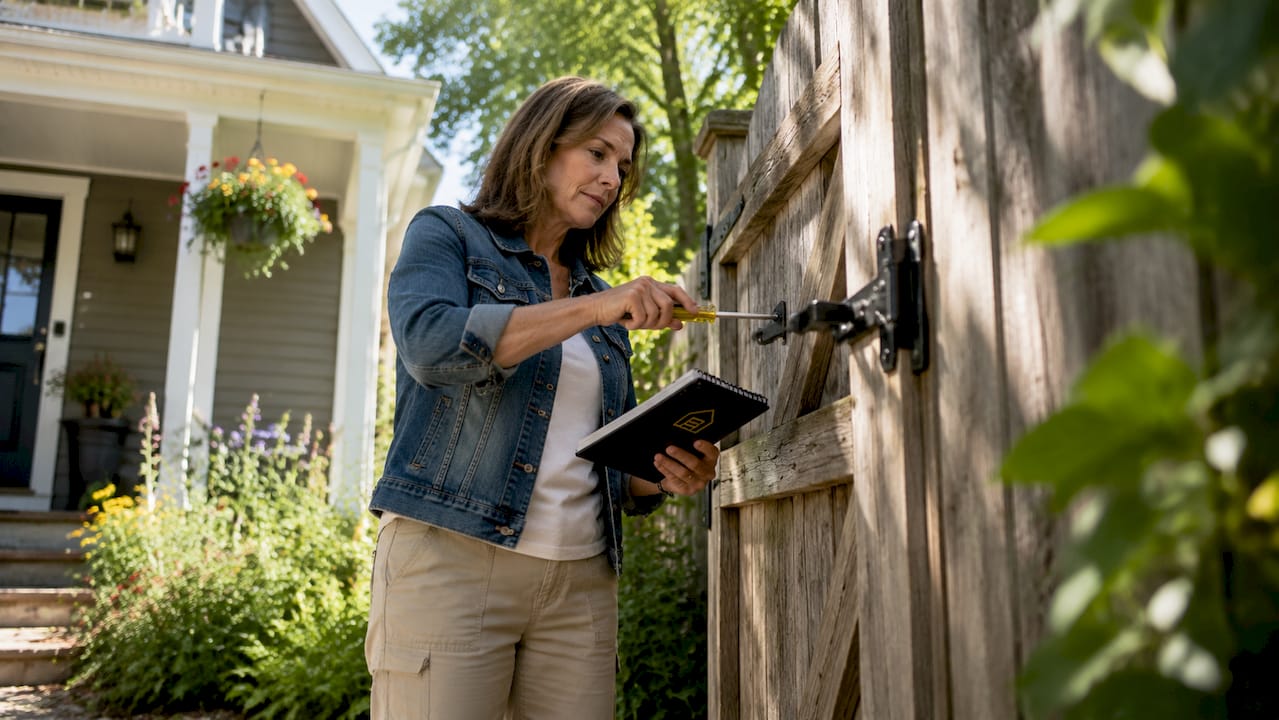
My honest advice: start with a written log. Even a simple notebook with dates and notes changes how you think about your door. You stop reacting and start managing. That shift alone prevents most of the emergency calls we get.
— Eddie
Mikes garage doors Loveland: professional maintenance for Loveland homeowners
Preventive care handles the basics, but some jobs need a trained set of hands.
Mikes garage doors Loveland offers same-day service for 90% of repairs, with free upfront estimates over the phone so you know the cost before anyone shows up. Whether you need a full annual inspection, a spring replacement, or an opener diagnostic, the team covers it all. Veterans receive a 10% discount as a thank-you for their service. Check out the full range of garage door services available for residential and commercial properties across Northern Colorado, from torsion springs and openers to custom and commercial door support. Protecting your door investment starts with one call to Mikes garage doors Loveland.
FAQ
What is the standard frequency for preventive door maintenance?
Residential doors need cleaning monthly, seal inspections quarterly, lubrication every six months, and a full safety inspection annually. High-traffic commercial doors require monthly checks plus a comprehensive annual inspection.
Can I do preventive door maintenance myself?
Homeowners can handle cleaning, lubrication, and visual inspections. Spring tension, cable checks, and opener diagnostics require a professional technician because these components carry significant stored energy.
Why are silicone lubricants better than oil-based products?
Silicone-based sprays do not attract dust or leave sticky residue. Oil-based lubricants build up over time, collect grit, and accelerate wear on rollers, tracks, and hinges.
Does NFPA 80 apply to residential garage doors?
NFPA 80 applies specifically to fire-rated door assemblies, which are more common in commercial buildings. Residential garage doors are governed by local building codes and manufacturer specifications, but annual safety testing is still best practice.
How much can preventive maintenance actually save?
Consistent preventive care saves $1,500 to $2,500 annually in avoided emergency repairs and extends door lifespan from a typical 15–20 years to 25–30 years.
Recommended
- How to Service a Garage Door: DIY Guide for Homeowners
- The Role of Door Opener in Installation: A Homeowner’s Guide
- Garage Door Repair Blog — Maintenance, Tips & Buying Guides | Loveland CO
- The 7-Point Garage Door Tune-Up Checklist Every Loveland Homeowner Should Run Twice a Year | Mike’s Garage Door Repair Loveland
Need a hand with your door?
Talk to a real tech — most calls are diagnosed in under two minutes.