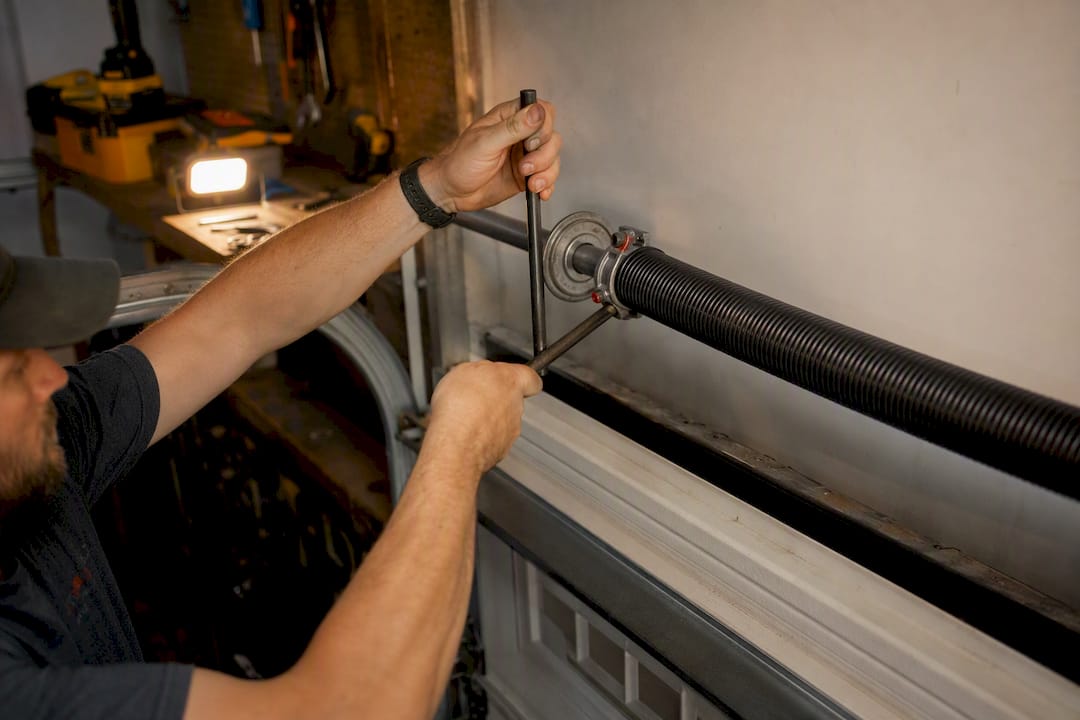
Emergency Garage Door Repair Cost: What to Expect in 2026
Most emergency garage door repairs generally cost in the typical range for garage door fixes, with a mid-range job landing around a moderate price once you count parts and labor. On top of that, expect an after-hours or emergency service fee of $75 to $200, charged separately from the repair itself. If your door is stuck open, off its track, or a spring has snapped and the door won’t move, that’s a safety call, not a wait-until-Monday situation.
Call now if:
- The door is wide open and won’t close, leaving your home exposed overnight.
- A spring or cable has snapped and the door is trapping a car, a pet, or a person underneath it.
- The opener is running but the door isn’t moving, which usually means a broken part under tension.
Mike’s Garage Door Repair completes 90% of jobs the same day, which matters more than any price quote when your family’s safety or your business’s security is on the line.
Key Takeaways
Emergency garage door repairs typically cost $150 to $700 plus a $75 to $200 after-hours fee, and asking the right phone questions before a technician arrives prevents most overcharges.
| Point | Details |
|---|---|
| Know your likely range | Most emergency repairs run $150 to $700, with springs, cables, and openers as the common culprits. |
| Budget for the surcharge | After-hours, weekend, and holiday calls typically add $75 to $200 on top of the repair cost. |
| Run the insurance math first | Compare repair cost to your deductible before filing; wear and mechanical failure are usually excluded anyway. |
| Never touch springs or cables | Stored tension makes DIY spring and cable repair genuinely dangerous; leave it to a trained technician. |
| Choose transparent pricing | Mike’s Garage Door Repair offers upfront phone estimates, 90% same-day completion, and warrantied work across Northern Colorado. |
Table of Contents
- How Much Does Emergency Garage Door Repair Cost by Failure Type?
- What Makes Emergency Repair Pricing Go Up or Down?
- Will Homeowners Insurance Cover a Broken Garage Door?
- What Should You Do While Waiting for a Technician?
- Can Emergency Garage Door Repairs Be Fixed in One Visit?
- How Do You Hire a Fair Emergency Technician Without Getting Overcharged?
- Why Local Proof Points Matter More Than National Averages
- What Actually Determines Whether You Overpay for Emergency Repairs
- Get a Straight Answer on Your Repair Cost Tonight
- Sources
- FAQ
How Much Does Emergency Garage Door Repair Cost by Failure Type?
Your final bill depends almost entirely on which part failed, and springs are the most common culprit by a wide margin. A national cost aggregation from Thumbtack puts most garage door repairs between $235 and $695, with a typical job landing around $403. Emergency calls run at the higher end of that band, plus the after-hours fee.
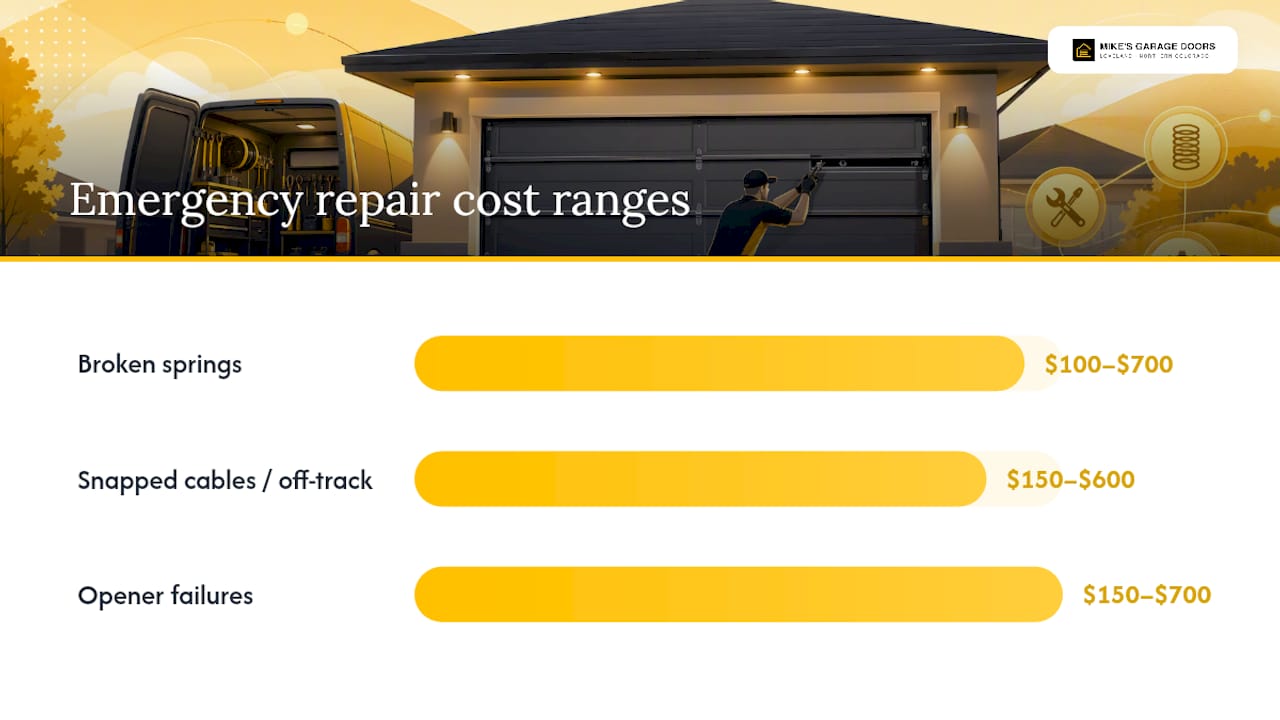
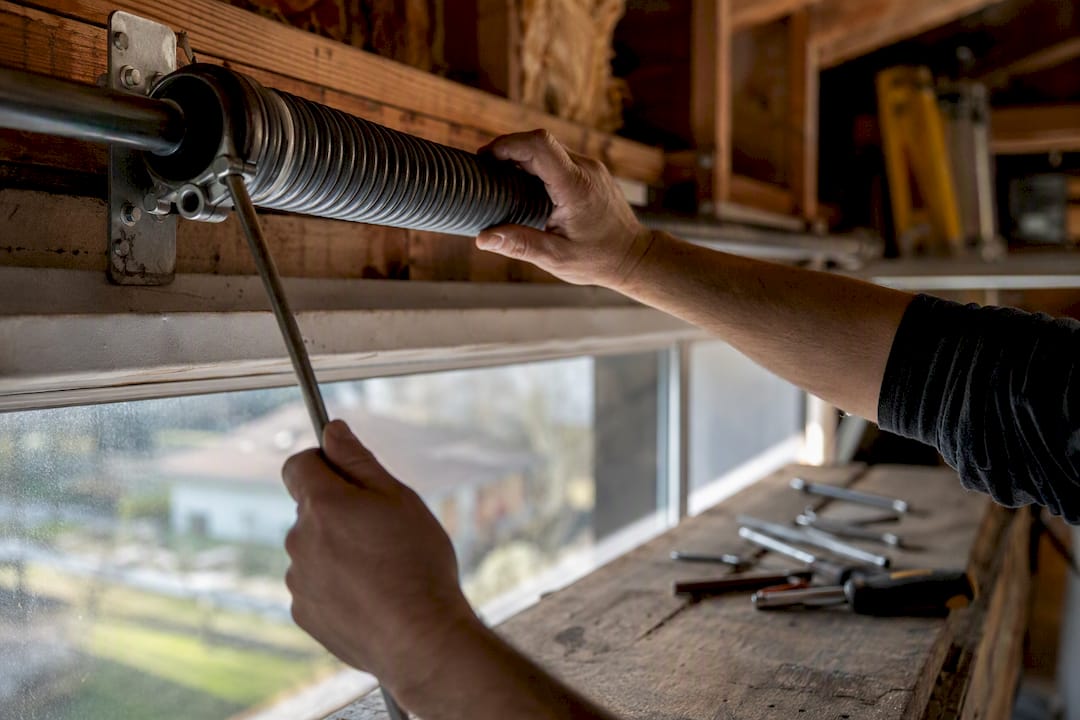
Broken springs. Extension springs, the kind mounted horizontally above the door, typically run $100 to $300 to replace. Torsion springs, coiled tight above the door and calibrated to its exact weight, cost more. Expect $200 to $700 or higher once you factor in labor, since these springs store enough tension to cause serious injury and require a trained hand.
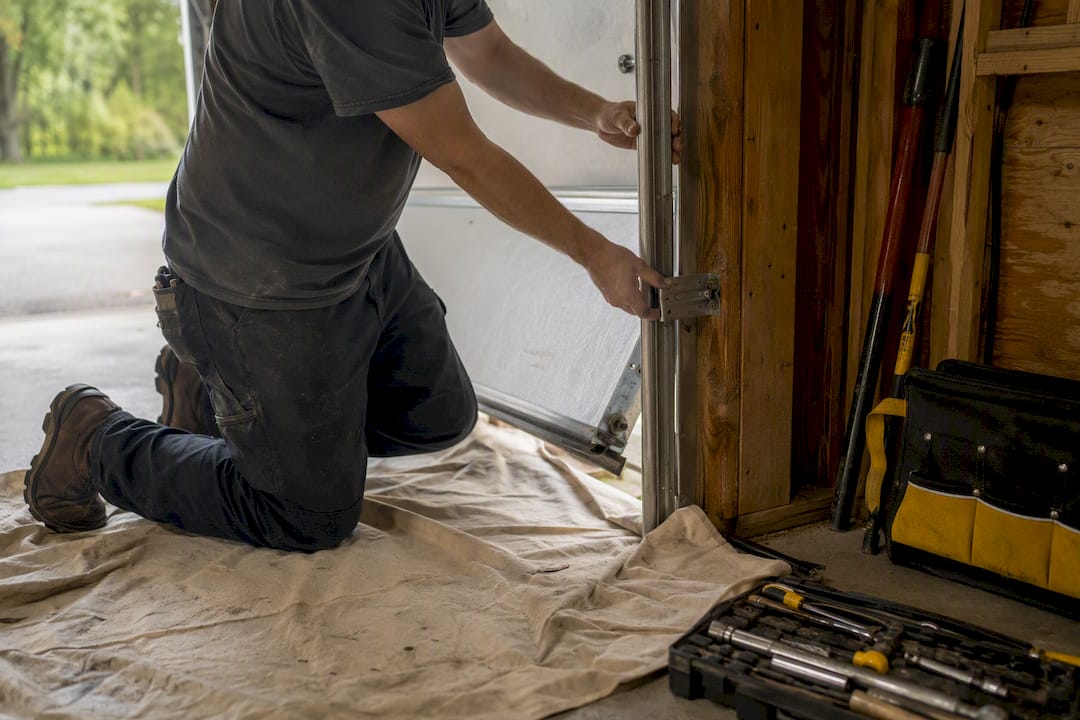
Snapped cables and off-track doors. A cable failure or a door that’s jumped its track usually falls in the $150 to $600 range, depending on how far the door traveled and whether rollers or hinges bent in the process. Heavier doors, like insulated steel or wood composite, push costs toward the top of that range.
Opener failures. If the opener motor, circuit board, or sensor fails, repair typically costs $150 to $700. Full replacement, when the unit is beyond fixing, runs $300 to $900 or more depending on the model and whether you want smart-home features built in.
Panel and roller damage. Dented or cracked panels, along with worn rollers, are often the cheapest emergency fix on this list, usually under $300 for a single panel or a set of rollers. Multiple damaged panels or a bent track frame push the job closer to full-section replacement, which costs significantly more than a single repair.
A typical invoice breaks down into four line items:
- Service call fee, often waived if you proceed with the repair.
- Labor, based on job complexity and time on site.
- Parts, priced by the specific spring, cable, or opener component needed.
- Emergency surcharge, added for after-hours, weekend, or holiday response.
Some providers see higher medians across their full job history. A1 Garage Door Service reports a median repair cost of $612 across a large sample, a reminder that regional labor rates and provider overhead shift these numbers more than most homeowners expect.
What Makes Emergency Repair Pricing Go Up or Down?
Three homeowners with the same broken spring can get three different quotes, and the gap usually comes down to a handful of variables you can ask about before a technician arrives.
- Timing. After-hours, weekend, and holiday calls typically add $75 to $200 on top of the repair cost. Calling at 2 p.m. on a Tuesday versus 11 p.m. on a Saturday can be the difference between a flat service call and a premium surcharge.
- Travel and trip fees. Some companies charge a flat service call regardless of distance; others price by drive time, especially in rural stretches of Northern Colorado where the next available technician might be 30 minutes out.
- Door type and parts availability. A standard single-car steel door is cheap and fast to service. A custom insulated double door, or an opener with proprietary electronics, often means a technician has to source a specific part. Because torsion springs are matched to exact door weight, some technicians stock common sizes but order custom or aged parts, which can turn a same-day fix into a two-visit job.
- Warranty coverage. Ask whether the quoted price includes a parts and labor warranty, and whether that warranty transfers if you sell the house. A repair with a one-year warranty is worth more than an identical repair with no guarantee at all, even at the same sticker price.
- Technician experience and local labor rates. Established local companies often price consistently because they know regional labor costs; newer or out-of-area crews sometimes quote lower up front and add fees once they’re on-site.
Will Homeowners Insurance Cover a Broken Garage Door?
It depends entirely on what caused the damage. Homeowners insurance typically covers garage door damage from a covered peril, like a windstorm, hail, or a vehicle backing into the door. It generally excludes mechanical failure and normal wear and tear, which covers the vast majority of emergency spring and cable failures homeowners actually call about.
Here’s the math that matters before you file anything: compare your repair estimate to your deductible, then factor in what a claim might do to your premium. If a spring repair runs $400 and your deductible is $1,000, filing a claim doesn’t make sense; you’ll pay the whole repair out of pocket regardless, and a claim on record can still nudge your premium upward over the following renewal cycles. Filing only starts to make sense when the damage is severe enough to approach full door replacement, which typically runs $800 to $4,000 depending on material and size, comfortably clearing most deductibles.
If you do decide to file:
- Photograph the damage immediately, from multiple angles, before any repair work begins.
- Get at least two repair estimates so the adjuster sees a fair market range.
- Keep every receipt, including the emergency service call fee, in case the claim gets contested.
Pro Tip: Run the breakeven math before you call your insurer. Add your estimated repair cost to a rough three-year premium increase, then compare that total to just paying out of pocket. Most spring and cable repairs come out cheaper without a claim on record.
What Should You Do While Waiting for a Technician?
A jammed or broken garage door is heavy, unpredictable, and genuinely dangerous. Your job before help arrives is to keep everyone away from the door, not to fix it.
- Keep kids, pets, and vehicles clear of the door’s path, especially if it’s stuck partway open.
- Stop pressing the opener remote repeatedly. Doing so can strip gears or burn out a motor that might otherwise still be salvageable.
- If the opener is engaged but the door won’t move, disconnect the emergency release cord (usually a red handle hanging from the trolley) so the door can be moved manually if needed for safety.
- If the door is open and you’re waiting overnight, prop something sturdy against the opening or lock the interior access door to your home as a temporary security measure.
Never attempt spring or cable repair yourself. These parts hold enormous stored tension, and safety guidance consistently warns against DIY attempts because a snapped spring under load can cause serious injury. Preventive habits, covered in this garage door maintenance guide, go a long way toward avoiding this call in the first place.
Pro Tip: Snap a few photos of the broken part and the door’s position before anyone touches anything. It speeds up the phone estimate and gives you a record if you end up filing an insurance claim later.
Can Emergency Garage Door Repairs Be Fixed in One Visit?
Most emergency calls wrap up in a single visit. Minor opener glitches, roller swaps, and standard spring replacements are typically same-day work when the part is common. Custom panels, oversized doors, or aged torsion springs that need exact measurement sometimes require a return trip.
- Almost always same-day: roller replacement, sensor realignment, cable reattachment, standard spring swaps.
- Sometimes staged: custom panel orders, rare opener models, torsion springs that must be special-ordered.
Technicians typically triage in this order: secure the door first, diagnose the full problem, then repair on the spot if parts are on hand. When a part needs to be ordered, a technician can often secure the door with a temporary bracket or locking pin, which costs less than a full repair and buys time until the part arrives. Ask for a written scope up front so you know exactly what’s covered today versus what’s scheduled for later.
How Do You Hire a Fair Emergency Technician Without Getting Overcharged?
Time pressure is exactly when price gouging happens. A short phone checklist protects you before a technician ever pulls into your driveway.
- Ask for the service call fee and whether it’s waived with a completed repair.
- Get a realistic ETA, not a vague “sometime tonight.”
- Request a written estimate before work begins, not a verbal number that changes on-site.
- Ask about the parts policy: are common parts stocked on the truck, or will this require a return visit?
- Confirm the warranty length on both parts and labor.
- Verify licensing and insurance coverage before anyone touches your door.
Hang up on any company that demands cash only, dodges a direct price question, refuses to put the scope in writing, or pressures you toward a full door replacement before even inspecting the problem. Genuine emergency providers give clear phone estimates and back their work with a real warranty. For a deeper look at where surprise charges typically hide, see this breakdown of hidden repair fees to avoid.
Pro Tip: If a company won’t give you a ballpark price range over the phone, especially for a common issue like a broken spring, treat that as a red flag rather than “normal industry practice.”
Why Local Proof Points Matter More Than National Averages
National ranges tell you what to budget. They don’t tell you who’s going to show up at 9 p.m. on a Sunday and actually fix the problem. Mike’s Garage Door Repair backs its Loveland-area service with a few concrete guarantees:
- 90% same-day completion, meaning most emergency calls don’t turn into a multi-day wait.
- Transparent, upfront phone estimates, so you know the likely cost range before a technician arrives.
- Experienced technicians who handle everything from snapped springs to failed openers regularly, not occasionally.
- A 10% discount for veterans, a small but real acknowledgment of service to the community.
- Extensive warranties on parts and labor, reducing the odds you’re paying twice for the same problem.
Together, these reduce the two biggest fears in an emergency call: getting a number that changes once the work starts, and not knowing if the fix will hold.
What Actually Determines Whether You Overpay for Emergency Repairs
The national ranges in this article are useful, but they hide the real variable: whether the company you call gives you a firm number before they start working, or a moving target once they’re inside your garage. That single distinction matters more than which failure type you have.
Conventional advice tells homeowners to “get multiple quotes,” which sounds reasonable until your door is stuck open at 10 p.m. and calling three companies isn’t realistic. The better move is asking sharper questions on the one call you actually make: service fee, ETA, parts policy, warranty length. That’s a five-minute conversation, not a research project.
On insurance, most homeowners either file reflexively or skip it out of confusion. Neither is right. Run the deductible math first. It takes two minutes and it’s the difference between a smart decision and a guess.
— Eddie
Get a Straight Answer on Your Repair Cost Tonight
Mike’s Garage Door Repair is the direct alternative to guessing at national averages or gambling on an unfamiliar after-hours company.

Whether it’s a snapped torsion spring, a dead opener, or a door stuck wide open overnight, the same family-owned team that handles routine tune-ups also runs the emergency line. Veterans get a 10% discount, every repair carries a real warranty, and there’s no surprise line item added once the truck arrives. Call and describe what’s happening with your door, and get a clear estimate before anyone commits to anything. Start with the full rundown of emergency and standard garage door services to see what’s covered.
Sources
- Thumbtack — Garage door repair cost
- MoneyGeek — Does home insurance cover garage door damage?
- PDQ Door — Emergency garage door repair cost guide
- A1 Garage Door Service — How Much Does Emergency Garage Door Repair Cost?
FAQ
What Is the Average Price to Repair a Garage Door?
Most garage door repairs, emergency or not, fall between $235 and $695, with a typical job landing around $400. Emergency calls run toward the higher end plus an after-hours fee.
Will Homeowners Insurance Pay for a Broken Garage Door?
Only if a covered peril like a storm or vehicle impact caused the damage. Mechanical failure and normal wear and tear are typically excluded, which covers most spring and cable failures.
Is a Broken Garage Door an Emergency?
It’s an emergency when the door won’t close and leaves your home exposed, or when it’s trapping a vehicle, pet, or person. A cosmetic dent or a slow opener can typically wait for a scheduled appointment.
What Is the Most Common Garage Door Repair?
Broken springs, particularly torsion springs, are the most frequent emergency call. They typically cost $200 to $700 to replace, compared to $100 to $300 for extension springs.
Recommended
Need a hand with your door?
Talk to a real tech — most calls are diagnosed in under two minutes.


